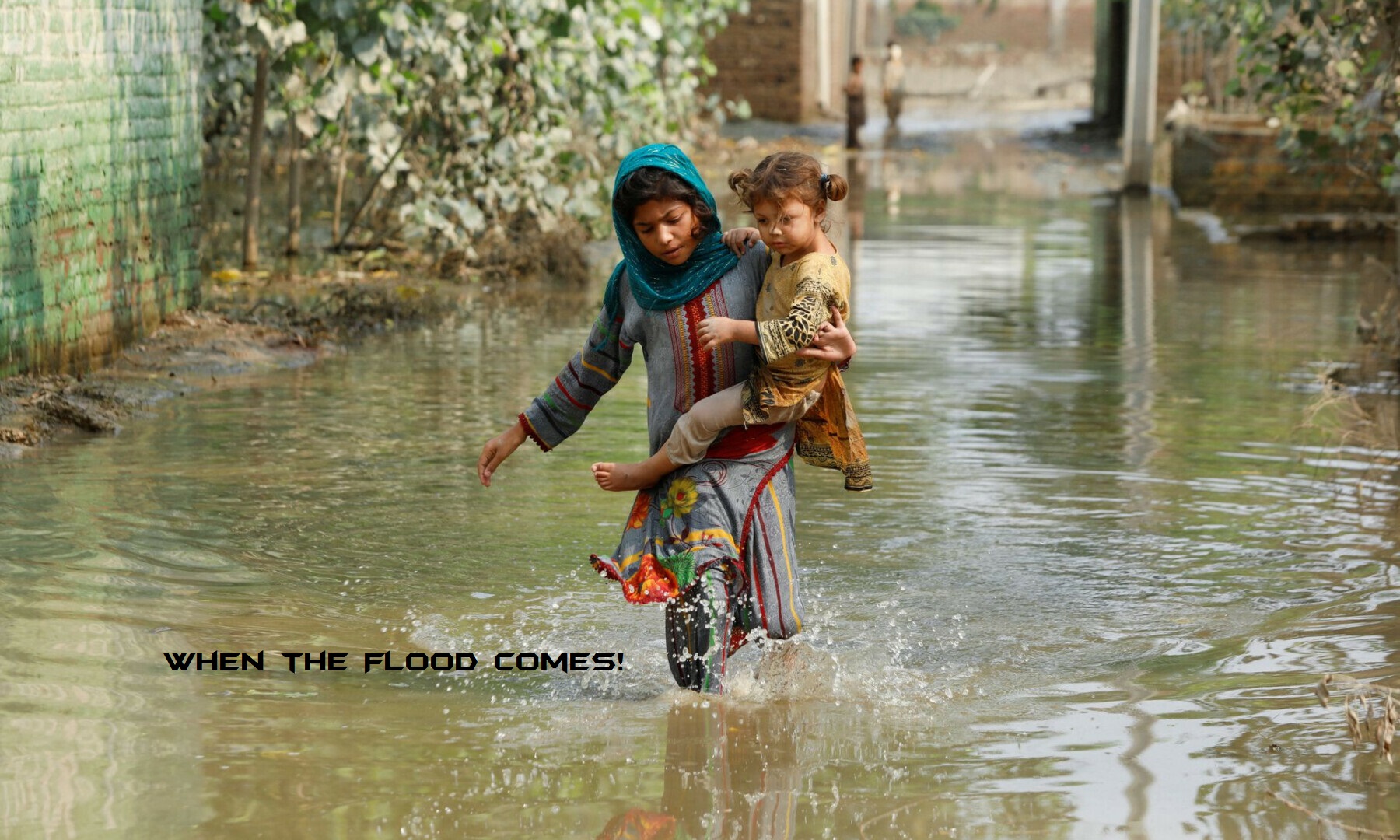
When the Flood Comes!
Menstrual Dignity must be included in Sindh’s flood preparedness plans well before 2026
A crisis within a crisis one that may not seem important on the surface, but for girls and mothers it gives birth to a crisis of mental anguish, restlessness, and helplessness.
No relief truck ever had a share set aside for it. Treated as a personal matter, it has been left to be managed with an old cloth, a corner of a tent, or simply endured in silence.
When a flood comes, the humanitarian response system moves quickly. Rations, clean water, medicines, shelter even fodder for livestock are all thought through, because these things are already written into plans and are visible. But menstrual health is not like that. So when displacement begins, women and young girls are forced to manage their periods however they can, often without any private space, clean water, or a toilet that isn’t shared with men. Many wait for the darkness of night just to wash themselves or change their clothes safely feeling fear and shame, as if doing so were something wrong.
This is not simply a matter of supplies. It is a matter of dignity, protection, a basic need, and of being seen especially in a society where open conversation about menstruation remains limited even today, even in the middle of disasters. That silence, or that negligence, is what gives rise to physical and mental distress.
Sindh’s flood devastations are no secret. The question is not whether another flood will come the question is when. The lessons of 2022 must not be forgotten.
Preparedness for women’s natural, basic need menstruation must happen before women are displaced.
This must be built into emergency planning in advance, not after the fact.
Menstrual hygiene supplies must be treated as a basic relief item ،alongside rations, water, medicine and shelter ، not handed out as some minor or charitable extra.
Camp and tent-city management standards must include private and safe WASH facilities. Separate, enclosed washrooms and toilets for women and girls screened from view, well-lit, and safe ، must be prioritized from the very start of camp planning and in the proximity of the camps themselves, not added only after complaints arise.
Clear attention must be given to women, girls, and especially differently-abled women and girls. Considerations such as ramps and walkways suited to their needs must be included in camp site selection, distribution points, and camp management committees.
District and provincial disaster management plans (DDMA/PDMA) must formally designate menstrual Dignity Kits as a regular part of anticipatory preparedness and relief packages, with stocks kept ready ahead of the flood season ، exactly as fodder and ration stocks are pre-positioned in advance.
Ahead of the 2026 flood season, SINDHU Society requests that Menstrual Dignity be formally recognized, and that budget be allocated for it within anticipatory action and disaster preparedness plans in Sindh’s flood-affected talukas ، starting with the districts and talukas that were most affected in 2022. This means that government disaster management authorities, humanitarian organizations, and local NGOs must work together, before the waters rise, to ensure that when the next flood is triggered, hygiene kits, safe washrooms, and camp management protocols that protect women’s privacy are already part of the plan. So that those who have already been displaced receive the government protection they deserve in their natural compulsions.
Menstruation does not stop for floods. Nor should our preparedness stop before it begins.
#Menstrualcycle #MenustrualDiginity #girlshygienematters #AnticipatoryActionPlan